In the realm of cyberpunk literature, anti-heroes emerge as complex figures navigating a world dominated by corporate control and technological advancements. These characters, often marginalized and disillusioned, embody the spirit of rebellion that defines the genre. As we explore the significance of anti-heroes in cyberpunk narratives, we uncover how their journeys reflect the struggles against oppressive systems and resonate with contemporary societal issues.
Cyberpunk narratives are typically set in dystopian futures where mega-corporations wield immense power, often overshadowing governmental authority. In these environments, anti-heroes become symbols of resistance, challenging the status quo and advocating for personal freedom. Unlike traditional heroes, who are often depicted as morally upright and virtuous, cyberpunk anti-heroes are frequently flawed, morally ambiguous, and driven by self-interest. This complexity makes them relatable to readers who see their own struggles reflected in these characters’ lives.
One of the most compelling aspects of cyberpunk anti-heroes is their relationship with technology. In a world where cybernetic enhancements and artificial intelligence are commonplace, these characters often grapple with their own humanity. As they navigate a society that blurs the line between man and machine, they confront profound questions about identity and existence. For instance, characters like Case from William Gibson’s “Neuromancer” embody the struggle to reclaim their humanity in a landscape dominated by technological advancement. Their journeys serve as a commentary on the impact of technology on self-identity and the consequences of losing touch with what it means to be human.
Moreover, anti-heroes in cyberpunk often find themselves caught in a web of complex relationships, both with other characters and the systems that govern their lives. These interactions can reveal the intricacies of power dynamics and social hierarchies present in their worlds. Characters may ally with hackers, mercenaries, or rogue AIs, forming unconventional partnerships in their quest for freedom. Through these relationships, cyberpunk narratives explore themes of trust, betrayal, and the struggle for agency in an oppressive environment. The anti-heroes’ interactions highlight the necessity of collaboration in the face of adversity, showcasing the importance of solidarity among marginalized individuals.
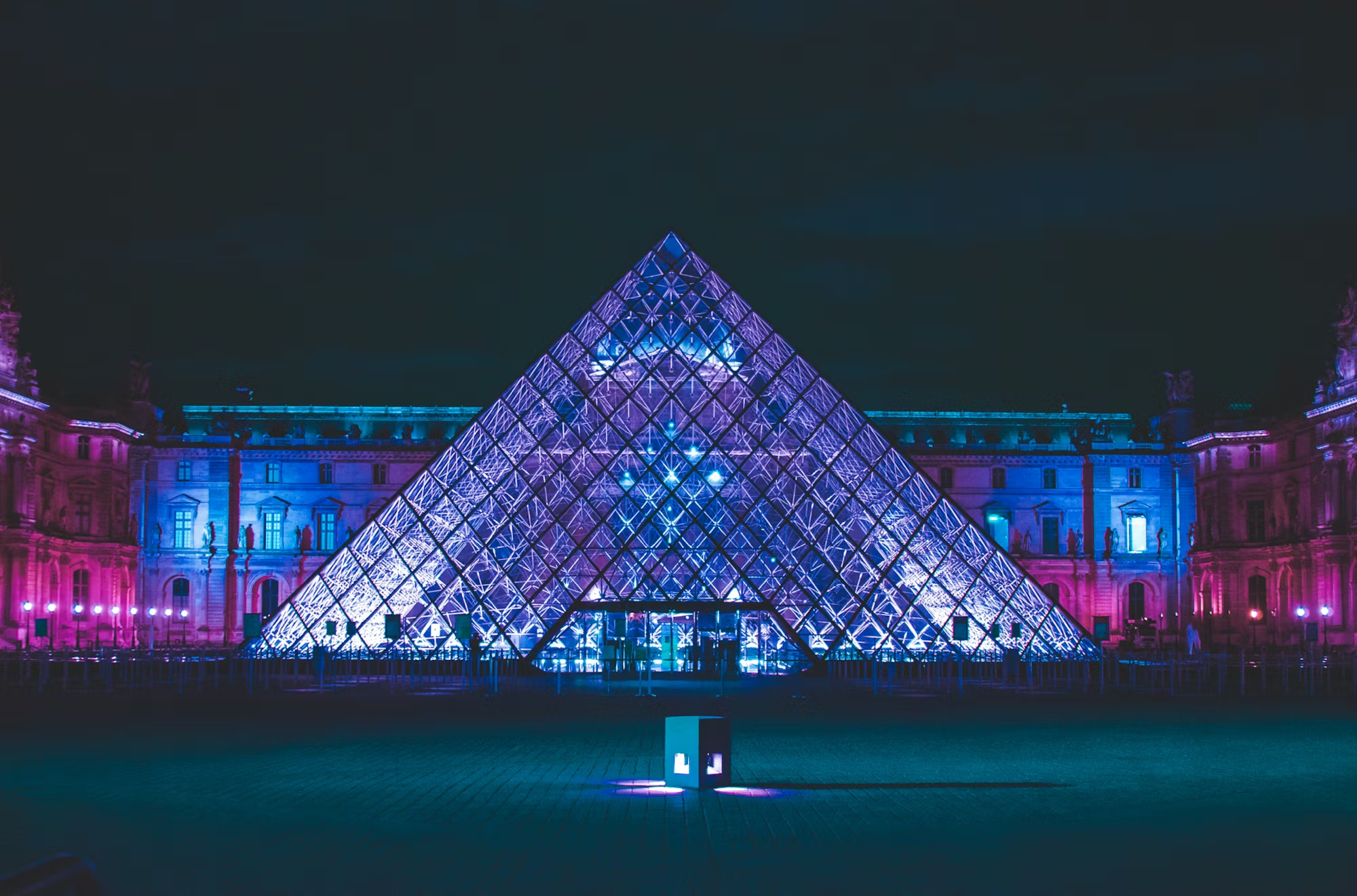
The aesthetic of cyberpunk also plays a crucial role in shaping the journeys of its anti-heroes. The vivid imagery of neon-lit streets, dark alleyways, and towering skyscrapers serves as a backdrop that reflects the characters’ internal struggles. The chaotic urban landscapes mirror the confusion and conflict within their lives, reinforcing the themes of alienation and disconnection. As anti-heroes traverse these environments, their experiences are imbued with a sense of urgency and danger, creating a palpable tension that drives the narrative forward.
As we delve deeper into the motivations of cyberpunk anti-heroes, we find that their rebellion often stems from personal loss or betrayal. Many characters are driven by a desire for vengeance or a quest for redemption, seeking to overturn the injustices they have faced. This personal motivation adds depth to their journeys, making their struggles relatable to readers who may have experienced similar feelings of anger or disillusionment. By exploring the characters’ pasts, cyberpunk narratives emphasize the importance of individual agency in the fight against systemic oppression.
Furthermore, the theme of surveillance is a prevalent aspect of the cyberpunk genre that shapes the lives of its anti-heroes. In a world where privacy is a luxury and personal data is constantly monitored, characters must navigate the dangers of being watched. This creates a sense of paranoia and tension, as anti-heroes strive to maintain their autonomy in an environment that seeks to control them. The ever-present threat of surveillance serves as a reminder of the implications of technology on personal freedom and the importance of resisting oppressive forces.
The evolution of the anti-hero in cyberpunk also reflects broader societal concerns. As we grapple with issues of corporate control, data privacy, and technological advancement in our own lives, the struggles of these characters resonate on a deeper level. The anti-heroes of cyberpunk serve as allegories for the contemporary fight against systemic inequality and the quest for social justice. Their journeys remind us that rebellion, even in the face of overwhelming odds, is a vital aspect of the human experience.
In conclusion, the anti-heroes of cyberpunk literature are pivotal figures who embody the spirit of rebellion in an increasingly complex world. Their struggles against oppressive systems and their quests for personal freedom resonate with contemporary societal issues, inviting readers to reflect on their own lives and challenges. Through their journeys, we gain insight into the intricacies of identity, technology, and social dynamics, emphasizing the importance of individual agency in the fight for justice. As we continue to explore the narratives of cyberpunk, we are reminded of the enduring power of rebellion and the resilience of the human spirit.